
Vendor invoices
Before: every PDF opened, typed into Excel, e-mailed around for approval, typed again into the ERP.
After: the robot reads the invoice, registers it, routes the approval and enters the draft in the ERP. The accountant only posts.
Four steps from your request to a result you can check — and three examples of what changes afterwards.
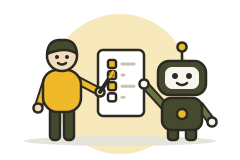


Before: every PDF opened, typed into Excel, e-mailed around for approval, typed again into the ERP.
After: the robot reads the invoice, registers it, routes the approval and enters the draft in the ERP. The accountant only posts.
Before: the CEO asked for numbers; someone exported, pasted and sent them hours later.
After: sales, debts and stock arrive by e-mail every morning, checked against the ERP's own totals.
Before: the shops sent order forms by e-mail; head office merged them by hand.
After: forms are read, merged and prepared for the warehouse automatically, with one summary e-mail a day.
Our team has over 18 years of experience in internal audit, risk management and finance across banking, capital markets and the real economy, a licensed accountant with hands-on bookkeeping, VAT and payroll practice in Kosovo, and HR, procurement and administration experience from international organisations. We know how a back office really runs — and where it breaks. The technology follows the know-how, not the other way round.